
A new four-door luxury sedan from BYD’s luxury Denza arm could be about to threaten EVs from established prestige carmakers like BMW and Mercedes-Benz.
In China, the new four-door will be sold under BYD’s Fangchengbao name, but outside of China, as with other Fangchengbao models, the Formula S is likely to form part of Denza’s line-up.
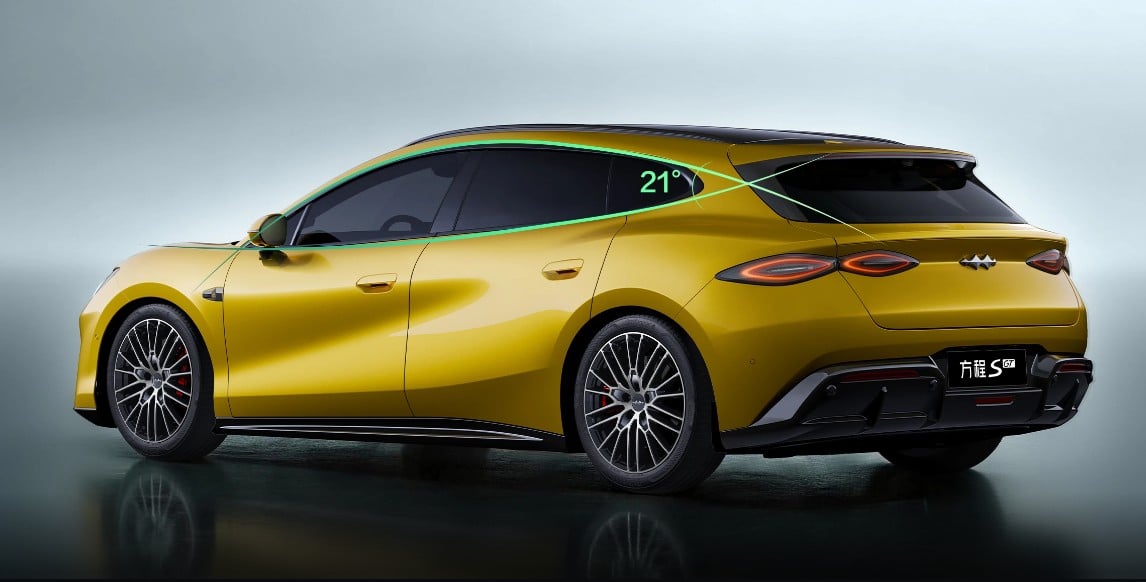
The Formula S liftback sedan (main and below) and Formula S GT fastback wagon (bottom) are pitched as alternatives to cars like the BMW i5 and Mercedes-Benz EQE sedan. The first specification details have been revealed by CarNewsChina ahead of their official reveal.
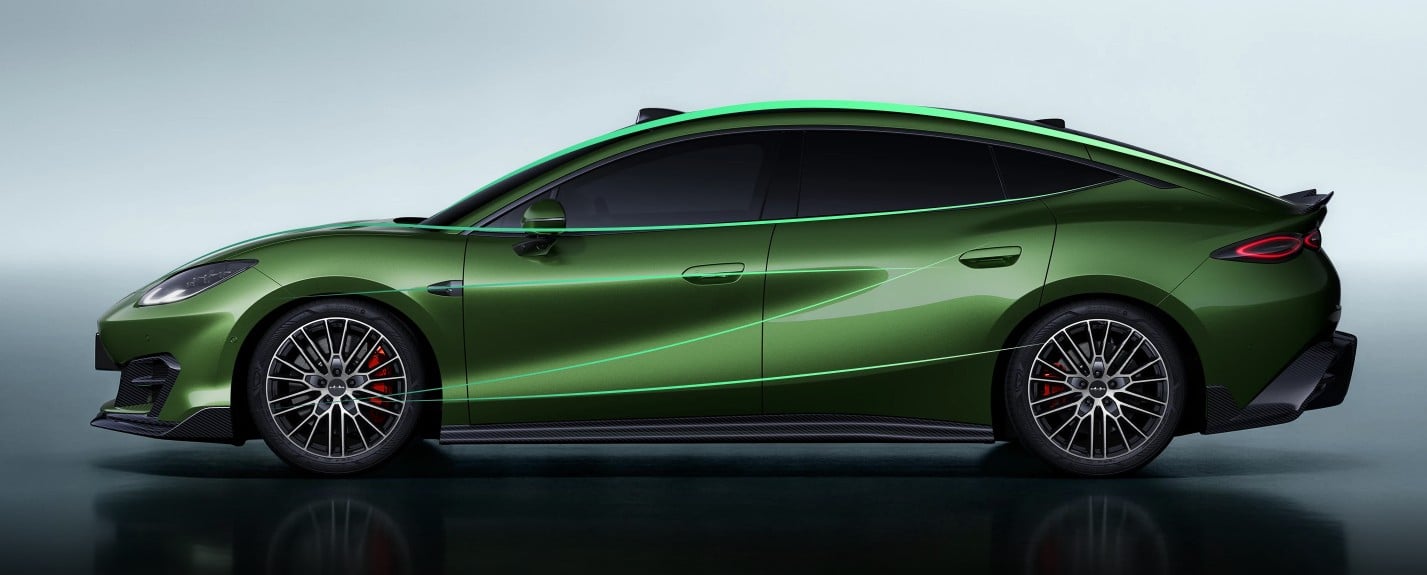
The Formula S sedan will offer a 76.7-kilowatt-hour battery in its most basic guise, with a 720km claimed CLTC driving range (expect closer to 590km under Western market WLTP testing) and a rear-mounted single motor producing 245kW.
By comparison, BMW’s entry-level i5 eDrive 40 lists an 84kWh battery, 582km WLTP range and a 250kW motor.
A long-range version of the Formula S upgrades to a 92.1kWh battery with a CLTC range of between 830km and 900km (680-740km WLTP) depending on the variant, and a 300kW single-motor. A 490kW dual-motor powertrain will also be offered.
The Formula S GT wagon is, initially at least, only offered with the long-range battery and a choice of 300kW rear-wheel drive with 800-850km of CLTC range (approx 655-700km WLTP), or 490kW dual-motor all-wheel drive with a claimed 730km CLTC (600km WLTP) range.
BMW’s equivalent would be the i5 M60 xDrive Touring wagon, which sticks with an 84kWh battery, has a claimed 506km WLTP range, and comes with a 442kW dual-motor drivetrain.
In terms of size, the Denza Formula S measures 5060mm long, matching the i5 sedan, with a 2960mm wheelbase (35mm less than the 5 Series). The Formula S GT is slightly shorter overall at 5025mm.
As a latest-generation BYD product, the Formula S will be compatible with the brand’s 1500kw ultra-rapid Flash Charging system, allowing a 10-70 per cent top-up in five minutes and a near-full 10-97 per cent fill in nine minutes.
A lidar sensor on the roof hints at compatibility with BYD’s ‘God’s Eye’ DiPilot 5.0 assisted driving, capable of start-to-finish automated driving on navigation, and a wide range of hazard-avoidance intervention.
BYD’s plans for the Fangchengbao include export markets, usually badged as Denza models, with a solid chance that the Formula S could follow the similarly styled Denza Z sports car range to the UK, moving the Denza brand away from its range of body-on-frame off-roaders and into a more traditional luxury car space.
Although not yet confirmed for Australia, BYD’s UK and Australian line-ups for the Denza brand are already quite similar, meaning the Formula S could be on the cards for an Australian introduction if it joins the UK range.
Mercedes-Benz Australia has announced pricing and specifications for its updated GLE, GLE Coupé and GLS SUV range, introducing revised styling, new technology, upgraded powertrains and expanded standard equipment across its luxury SUV line-up.
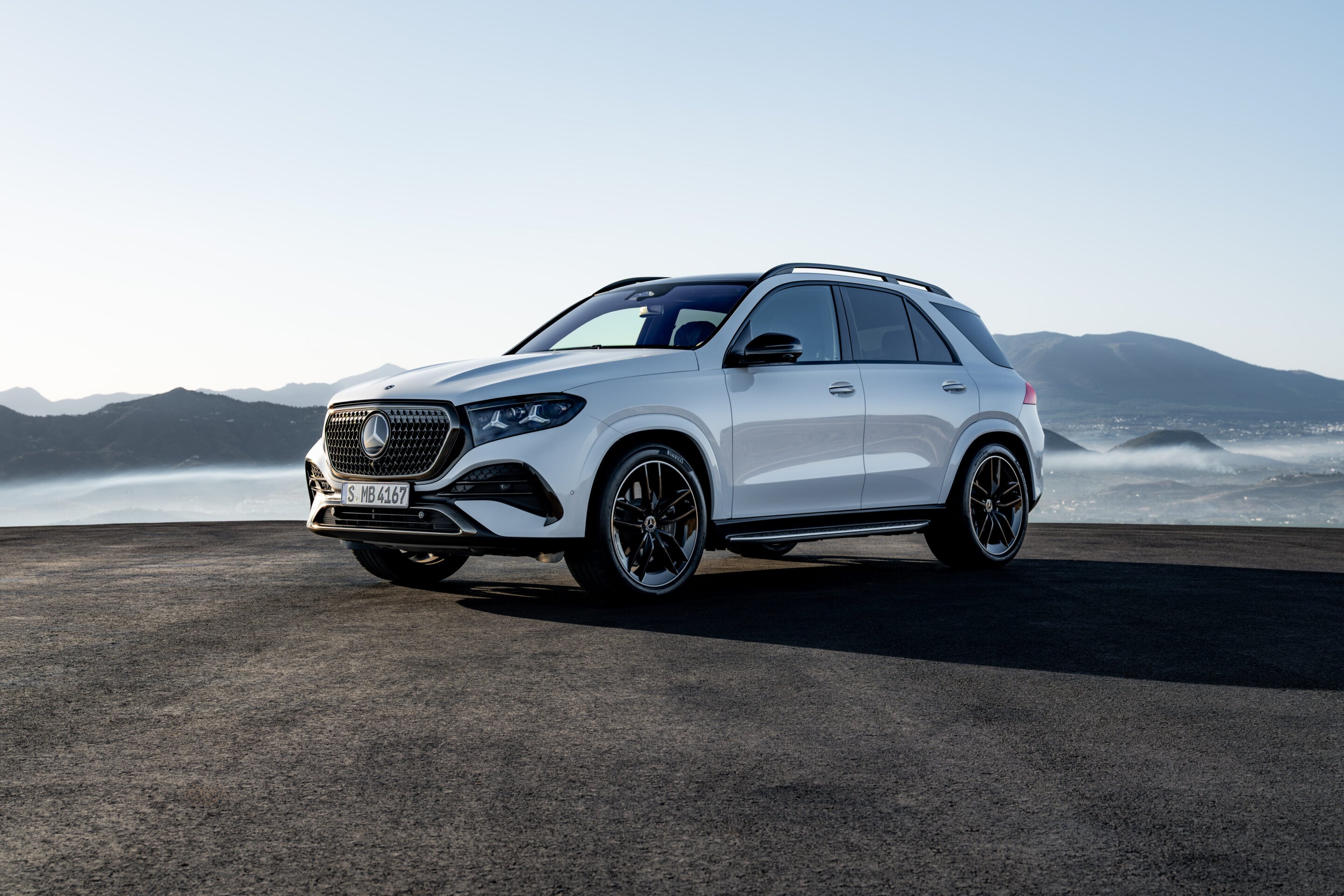
The refreshed range opens at $142,300 before on-road costs for the GLE 350 d 4MATIC SUV (below) and extends to $424,900 for the flagship Mercedes-Maybach GLS 680 4MATIC. Deliveries of Mercedes-Benz models are expected to begin in November, with Mercedes-AMG and Mercedes-Maybach variants following in early 2027.
Across the range, the SUVs receive redesigned front and rear bumpers, updated LED lighting signatures and a new radiator grille with an illuminated surround and central Mercedes-Benz star. AMG Line styling and the Night Package are now standard on every Mercedes-Benz and Mercedes-AMG model, complemented by new alloy wheel designs, fresh paint colours and revised interior trim options. GLE models also gain a collapsible spare wheel as standard, while the GLS continues with seven-seat accommodation across the range.
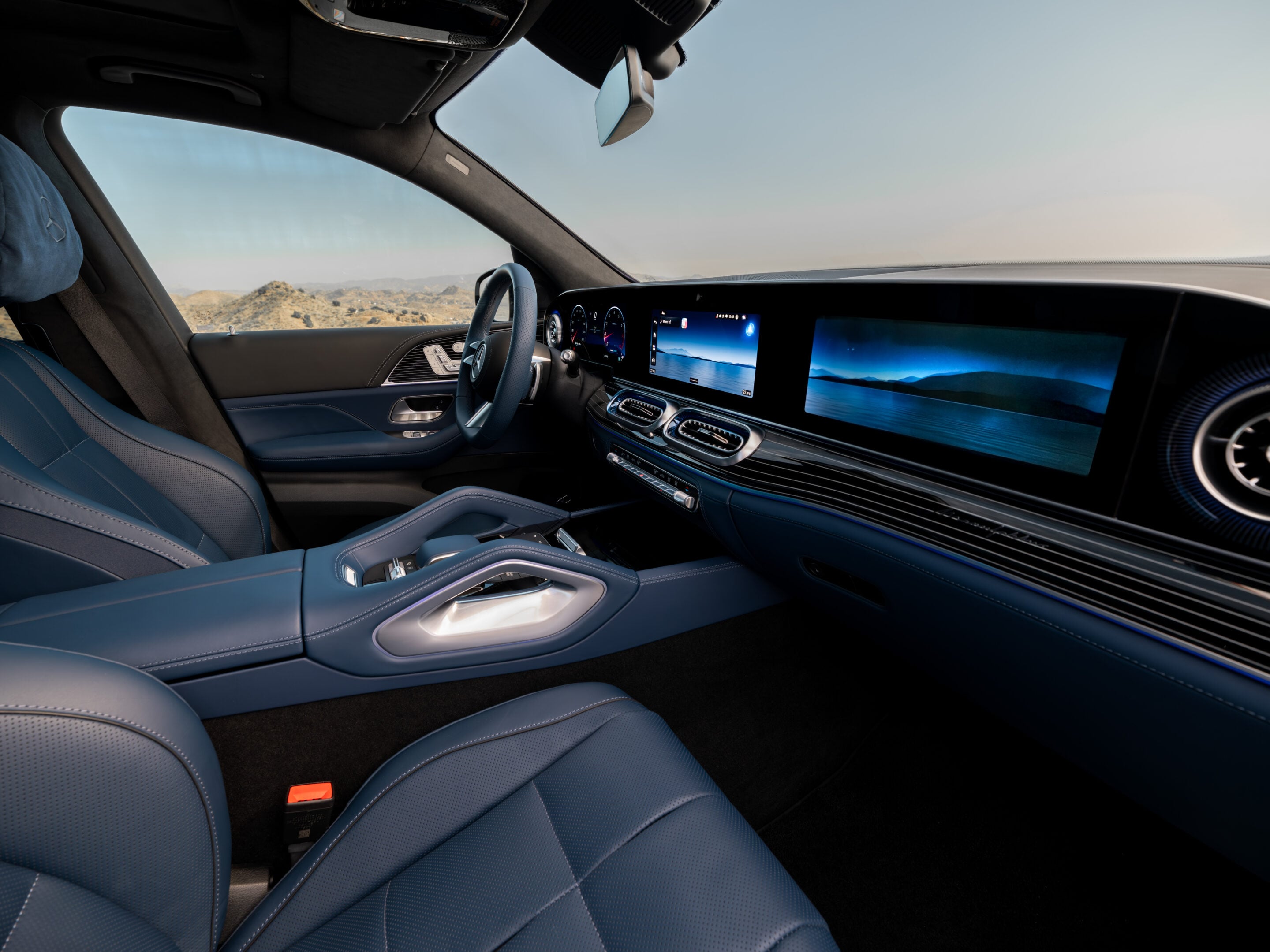
The cabin has been overhauled with Mercedes-Benz’s latest Operating System (MB.OS), which enables faster processing, enhanced connectivity and over-the-air software updates. Every model also receives the new MBUX Superscreen, comprising three 12.3-inch displays beneath a single glass panel, together with Digital Vehicle Key functionality and an updated suite of driver assistance systems including adaptive cruise control, lane change assist, steering assist and enhanced parking technologies.
Leading the GLE line-up, the GLE 350 d replaces its previous four-cylinder diesel with a new 3.0-litre inline six-cylinder producing 210kW and 650Nm, supported by a 48-volt mild-hybrid system that enables engine-off coasting, energy recuperation and smoother stop-start operation. The GLE 450 Coupé continues with a 280kW/560Nm turbocharged petrol inline six, also paired with a 48-volt electrical system.
The AMG GLE 53 SUV and Coupé receive a revised turbocharged 3.0-litre inline six-cylinder engine producing 330kW and 600Nm, representing gains of 10kW and 40Nm over the outgoing model. Both continue with AMG Performance 4MATIC+ all-wheel drive, AMG RIDE CONTROL+ suspension and 21-inch alloy wheels.
Sitting at the top of the range, the AMG GLE 63 S SUV and Coupé retain their 450kW/850Nm twin-turbocharged 4.0-litre V8, complemented by forged 22-inch wheels, AMG Performance all-wheel drive and upgraded chassis and braking hardware.
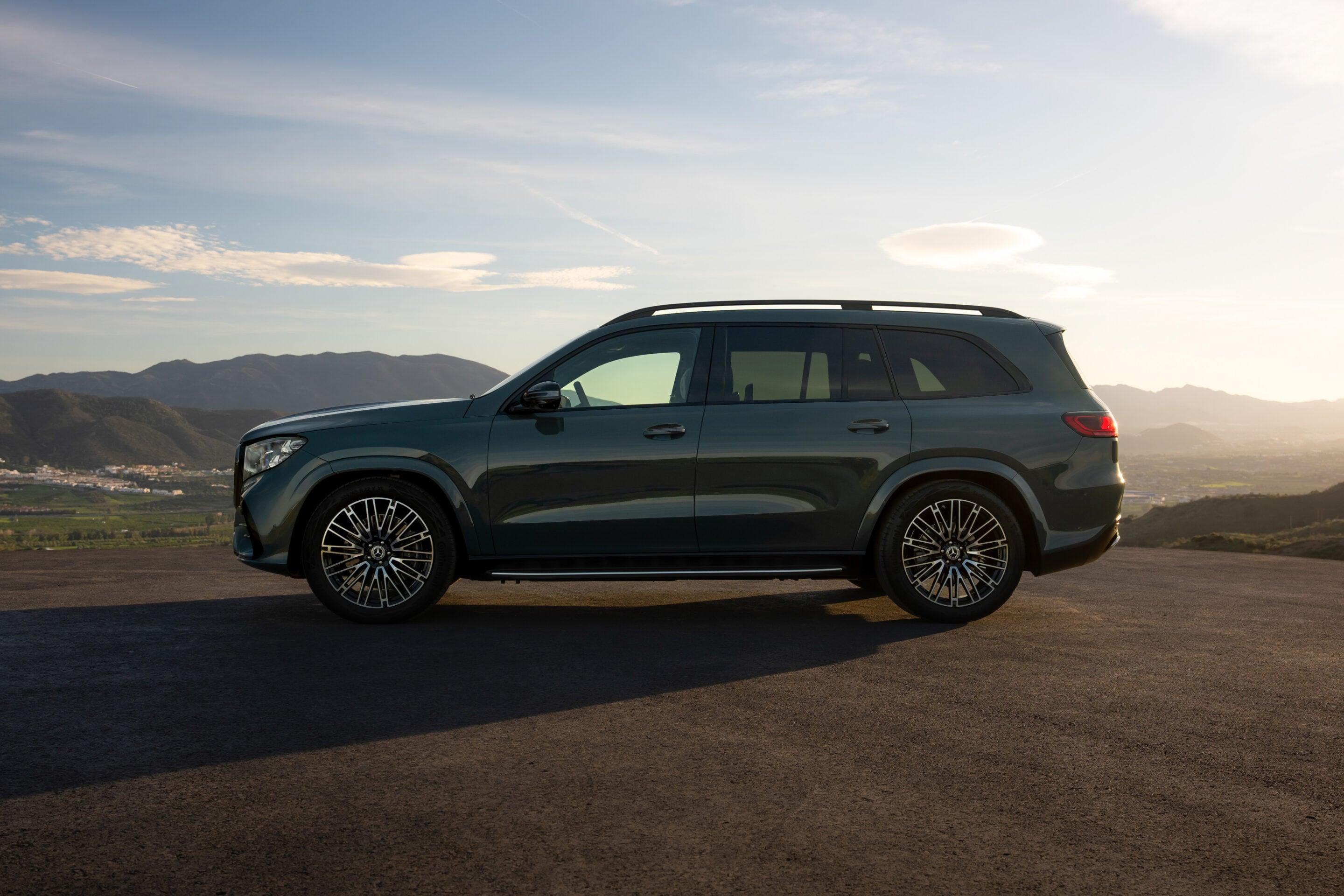
The larger GLS range (above) marks the return of the petrol-powered GLS 450, which uses a 280kW/560Nm turbocharged inline six-cylinder, while the GLS 450 d pairs a 270kW/750Nm six-cylinder diesel with an electrically heated catalyst designed to improve emissions performance during cold starts. Both models feature AIRMATIC air suspension and ride on 22-inch alloy wheels.
Performance flagship duties are handled by the AMG GLS 63, which continues with its 450kW/850Nm twin-turbocharged V8 while adding an electronically controlled rear limited-slip differential.
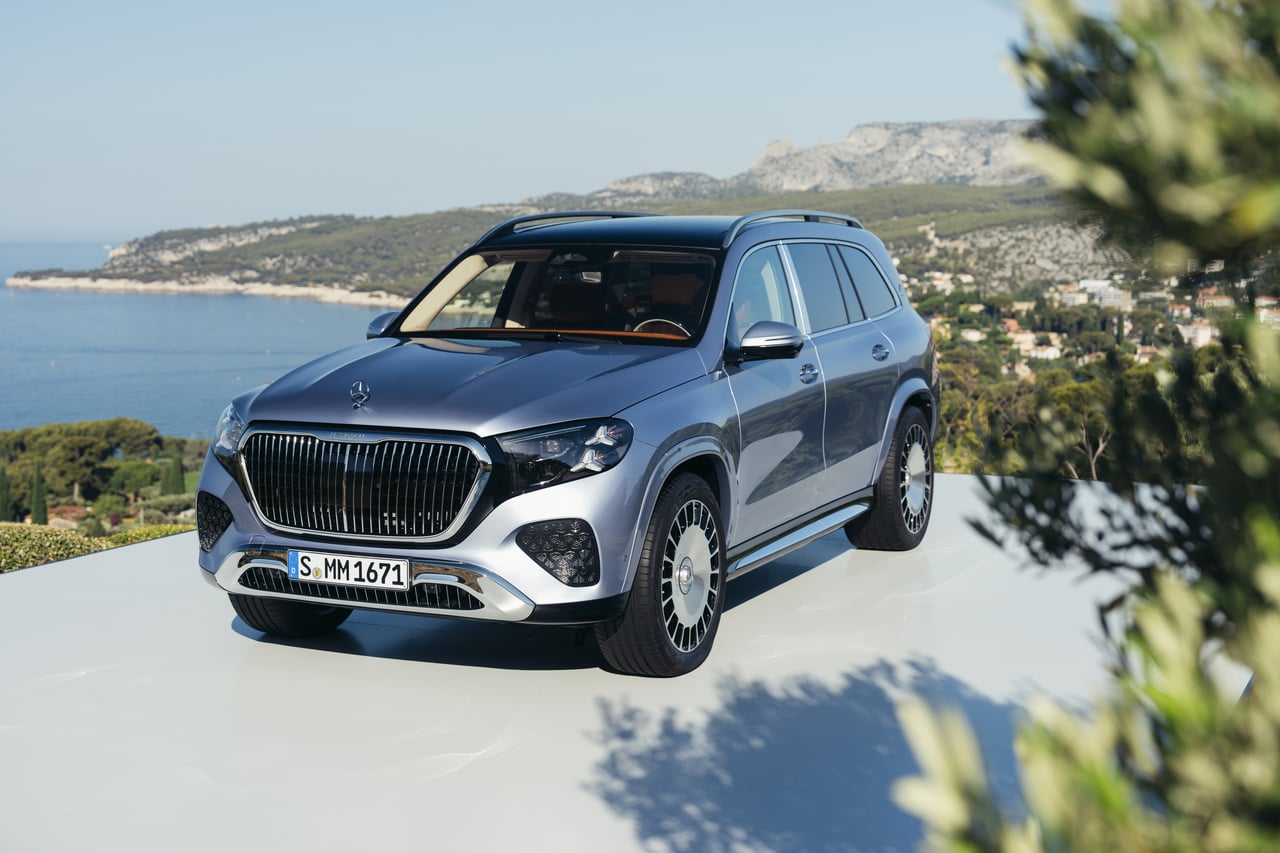
At the pinnacle of the line-up, the Mercedes-Maybach GLS 680 (below) combines the same V8 output with E-ACTIVE BODY CONTROL suspension, enhanced sound insulation, a revised steering system and an even stronger focus on rear-seat luxury.
Mercedes-Benz is offering a complimentary three-year service plan on selected GLE and GLS variants ordered before 30 September 2026, with customer deliveries commencing from November for Mercedes-Benz models.
Pricing
| Mercedes-Benz GLE 350 d 4MATIC SUV | $142,300 (MRLP) |
|---|---|
| Mercedes-AMG GLE 53 4MATIC+ SUV | $187,900 (MRLP) |
| Mercedes-AMG GLE 63 S 4MATIC+ SUV | $277,900 (MRLP) |
| Mercedes-Benz GLE 450 4MATIC Coupe | $160,400 (MRLP) |
| Mercedes-AMG GLE 53 4MATIC+ Coupe | $187,900 (MRLP) |
| Mercedes-AMG GLE 63 S 4MATIC+ Coupe | $279,900 (MRLP) |
| Mercedes-Benz GLS 450 4MATIC | $181,900 (MRLP) |
| Mercedes-Benz GLS 450 d 4MATIC | $188,900 (MRLP) |
| Mercedes-AMG GLS 63 S 4MATIC+ | $313,900 (MRLP) |
| Mercedes-Maybach GLS 680 4MATIC | $424,900 (MRLP) |
Victorian authorities will deploy roadside cameras capable of detecting excessively noisy vehicles under a new trial targeting hoon driving and illegally modified exhaust systems.
Seven acoustic cameras will be introduced across Melbourne and regional Victoria as part of the two-year, $1.3 million program. The devices are expected to begin operating later this year at locations with histories of repeated vehicle-noise complaints.
Unlike conventional speed or red-light cameras, the equipment uses microphones and acoustic sensors to measure noise generated by passing vehicles. When a predetermined sound threshold is exceeded, the system records images and other data, including the vehicle’s registration plate.
The information will then be assessed by Environment Protection Authority Victoria officers, who can issue the registered owner with a notice requiring the vehicle to undergo noise testing.
A vehicle found to exceed the permitted limit must be repaired or modified to comply with the regulations. Owners who fail to take the required action can face penalties of up to $1221 for an individual or $6105 for a company.

The cameras can be installed beside the road or attached to existing poles, allowing authorities to move them between locations as complaint patterns change. Sites will be selected after consultation with Victoria Police, although the final camera locations have not been publicly confirmed.
Port Phillip Council has pushed for one of the devices to be installed near Station Pier and Beacon Cove in Port Melbourne, where residents have repeatedly complained about burnouts, engine revving and noisy vehicle gatherings. Boroondara Council has made a similar request for Yarra Boulevard in Kew, another well-known late-night hoon hotspot.
The trial follows a sharp increase in reports about noisy vehicles. EPA Victoria received more than 9100 noise reports in 2025 and issued almost 5000 testing notices, along with 1222 infringement notices.
Similar technology has already been tested in the NSW council areas of Bayside and Wollongong (see main image from Transport for NSW). Those cameras combined microphones, video recording and number-plate recognition to identify loud vehicles, although fines were not issued during the initial trial.
The Victorian rollout is intended to give the EPA another way to identify repeat offenders without relying solely on residents recording registration numbers or police intercepting noisy vehicles at the time of an offence.
Mercedes-Benz Australia has announced local pricing and specifications for the Mercedes-AMG GLC 53, which is now on sale. Replacing both the previous four-cylinder AMG GLC 43 and AMG GLC 63 S E Performance variants with a new inline six, AMG’s new high-performance medium SUV is available in both SUV and coupe bodystyles and makes up to 330kW of grunt.
At the heart of the new AMG 53 models is a turbocharged 3.0-litre inline six-cylinder engine, which features an electric auxiliary supercharger and a 48-volt electric system to boost both performance and fuel consumption. It produces up to 330kW of power and 640Nm of torque, which is enough grunt for a claimed 0-100km/h time of just 4.2 seconds, while the claimed combined fuel consumption is 9.6L/100km.
A nine-speed automatic transmission is standard equipment, which AMG says is capable of rapid shift times, quick reactions, double-declutching and multiple downshifts. AMG’s Performance 4Matic+ full variable all-wheel drive system features too, while the AMG Ride Control suspension and rear-axle steering “work together to deliver low-speed agility, stability at higher speeds and confident control across urban, touring and dynamic driving conditions”.
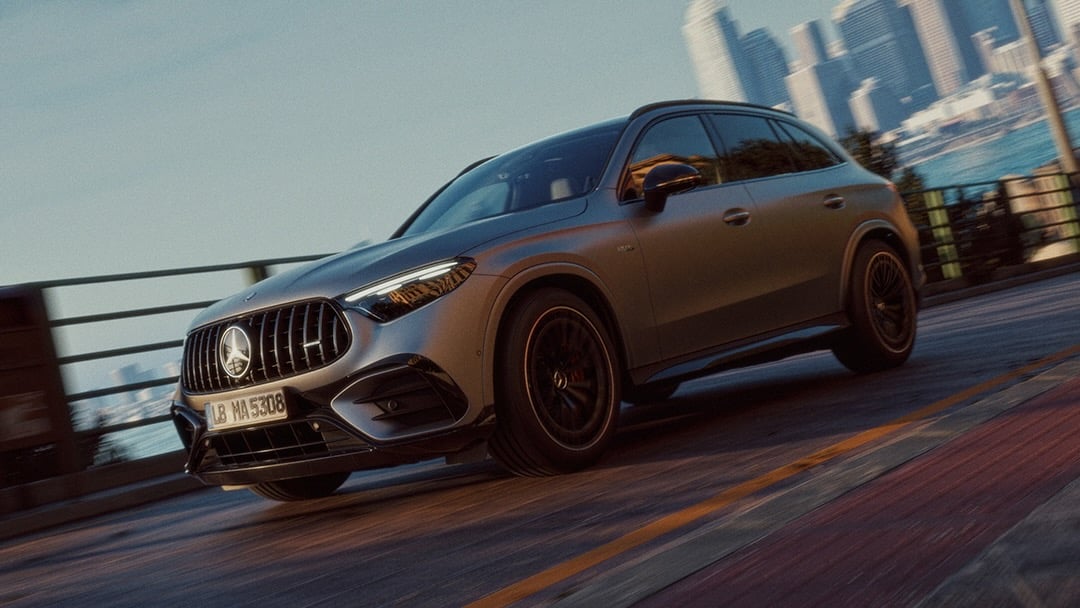
Standard equipment on Australian-delivered AMG GLC 53 variants includes matte black 21-inch AMG alloy wheels, the Night Package and Night Package II with black chrome exterior accents, an AMG lip spoiler and roof rails.
Inside, heated leather sports seats with memory and lumbar support, metal structure trim, a panoramic sunroof, head-up display and Burmester 3D audio feature, as well as the brand’s ‘MBUX’ infotainment system, AMG Dynamic Select driving modes and the AMG Real Performance Sound system.
Active safety tech is handled by the brand’s Digital Lights with adaptive high beam, Guard 360º Vehicle Protection Plus, active lane keeping assistance, adaptive cruise control and the Pre-Safe System with autonomous emergency braking.
Customers can also further choose the Performance Ergonomic Package, which adds the AMG Performance steering wheel in Nappa leather and suede, AMG Track Pace for detailed performance data recording and analysis, and AMG Performance and Multicontour front seats that AMG says “provide excellent lateral support during dynamic driving.”
There’s also the Plus Package, which includes the Driving Assistance Plug Package with features like adaptive lane guidance and evasive steering assistance with bicycle, pedestrian and vehicle detection, as well as augmented reality navigation and heat- and noise-insulating acoustic glass.
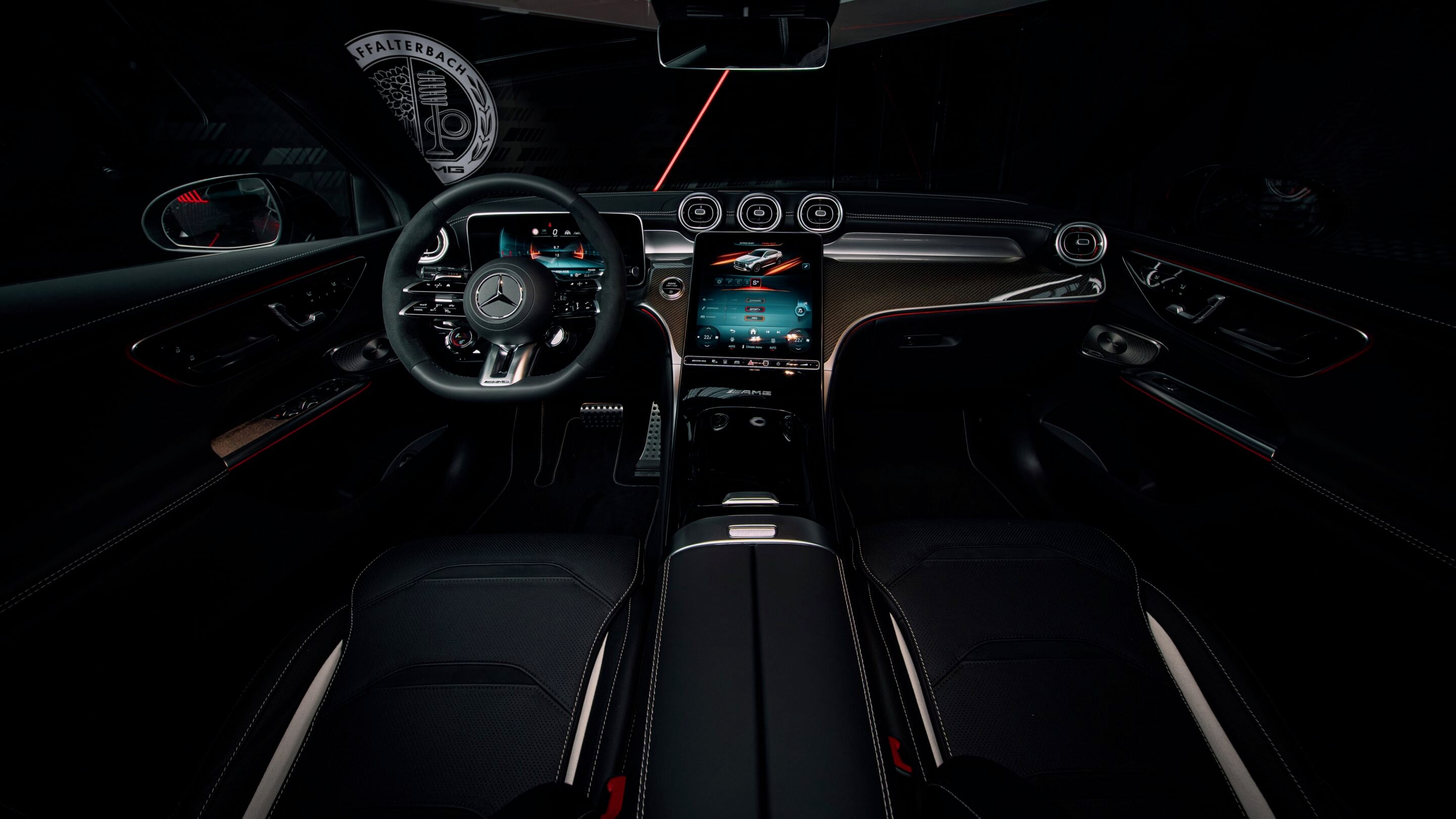
Finally, the Golden Accents Package is also available for bolder styling, and it includes matte black 21-inch AMG wheels with gold rim highlights, matching wheel hub caps, black brake calipers with white AMG lettering, a silver chrome AMG fuel filler cap with black elements, and the AMG Styling Package with a high-gloss black front apron, enlarged front splitter, enlarged AMG lip spoiler, side airflow breakaway edges and diffuser blade.
Inside, the Golden Accents Package adds black leather AMG sports seats featuring colour-matched seat bolsters and decorative beige top stitching, matching contrast stitching across the door panels and instrument panel, AMG carbon trim woven with metallic threads and AMG floor mats with beige stitching.
2026 Mercedes-AMG GLC 53 pricing (excluding on-road costs):
| SUV | $140,600 |
|---|---|
| Coupe | $151,300 |
Options:
- Golden Accents Package: $6000
- Performance Ergonomic Package: $5800
- Plus Package: $5500
The Mercedes-AMG GLC 53 is now on sale in Australia ahead of imminent local deliveries.
Australian pricing and specifications have been revealed for the new Mercedes-Benz GLC 400 4Matic. Launching as the first electric variant of the GLC medium SUV range, the GLC 400 4Matic was revealed almost 12 months ago and is the only available model before more variants are added, likely sometime in 2027.
Technically unrelated to the existing internal combustion GLC, the electric GLC runs on a new platform featuring an 800-volt architecture with DC fast charging at up to 330kW in ideal conditions, which Mercedes-Benz claims can add up to 300km of range in just 10 minutes. For those charging at home, it can also be charged at up to 22kW using AC power. The 94.4kWh NMC battery in the 400 4Matic model offers a claimed WLTP-rated range of 630km and energy consumption of 17.1kWh/100km.
The dual-motor electric drivetrain produces 360kW of power and 800Nm of torque, which is enough grunt for a claimed 0-100km/h sprint time of just 4.3 seconds. A two-speed transmission mounted on the rear axle features for “maximum efficiency across the entire speed range”, according to Mercedes-Benz.
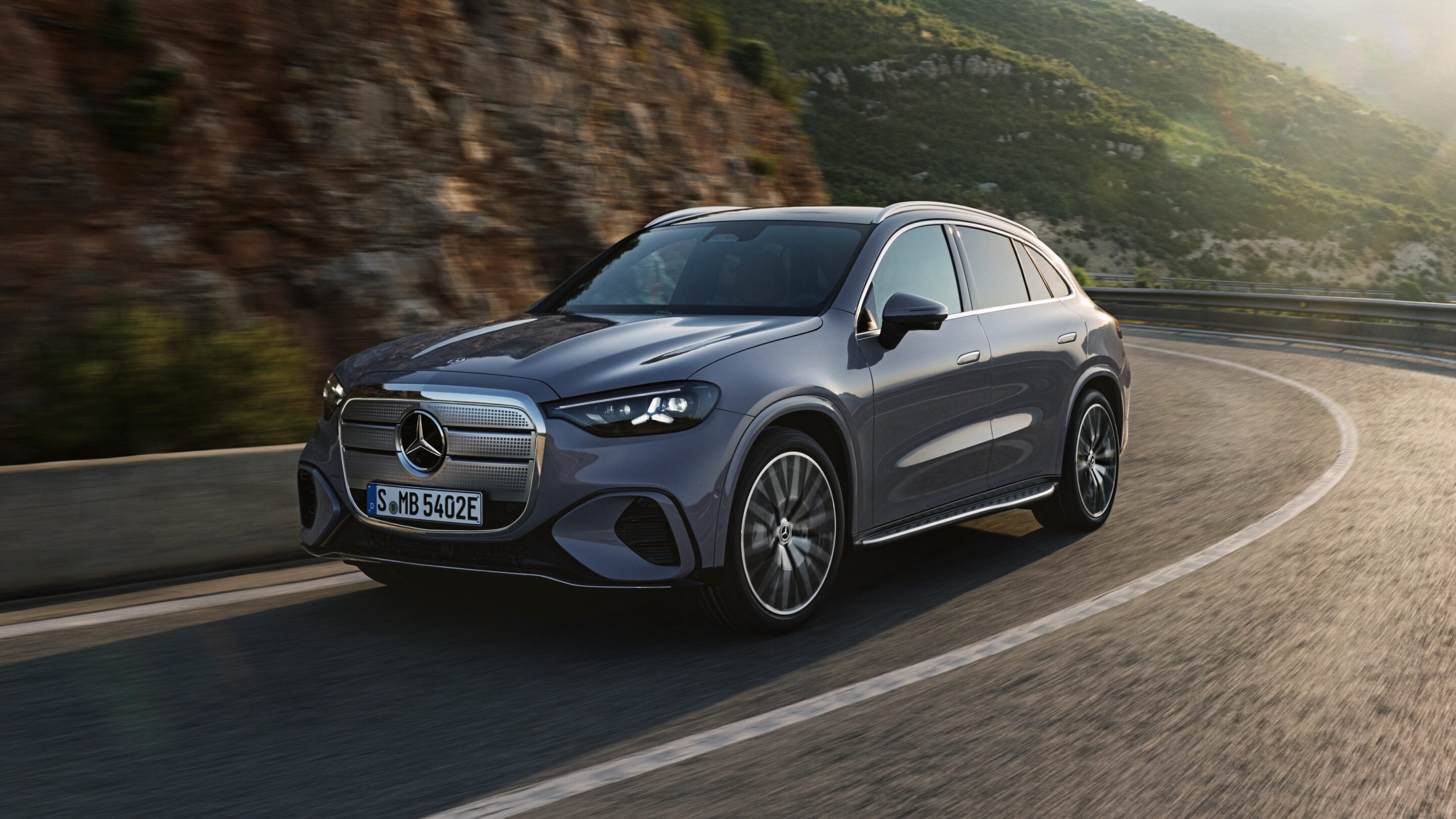
Standard equipment for the GLC 400 4Matic includes the ‘MBUX Superscreen’ infotainment incorporating a 14-inch central touchscreen and a 10.3-inch front passenger screen, the ‘MB.OS’ software, ‘Artico’ synthetic leather upholstery on the seats and steering wheel, brown open-pore birch wood trim, the AMG Line and AMG Line Sport Seat Packages, heated front seats with memory functionality, a panoramic glass roof, heat- and noise-insulating glass and rear privacy glass.
The company’s ‘MB.Drive’ assistance system features eight cameras with a front mid-range radar, four corner radar sensors and 12 ultrasonic sensors to support systems such as adaptive cruise control, blind-spot monitoring, lane keeping assistance, evasive steering assistance, exit warning and manoeuvring assistance with low speed automatic braking. Mercedes’ Digital Lights are standard with adaptive high beam, while a head-up display also features as standard.
On the outside, metallic paintwork is standard, as is the AMG Line with sportier styling and 21-inch AMG alloy wheels, while the Night Styling with high-gloss black exterior accents and a dark chrome grille also feature.
Compared to internal combustion variants of the GLC range, the electric model is 84mm longer between the wheels at 2972mm, while its 570 (rear seats up)/1740 litre (rear seats folded) boot is 50 litres smaller with the rear seats up, though 60 litres with the rear seats folded. Plus, the electric GLC features a 128-litre front boot as well.
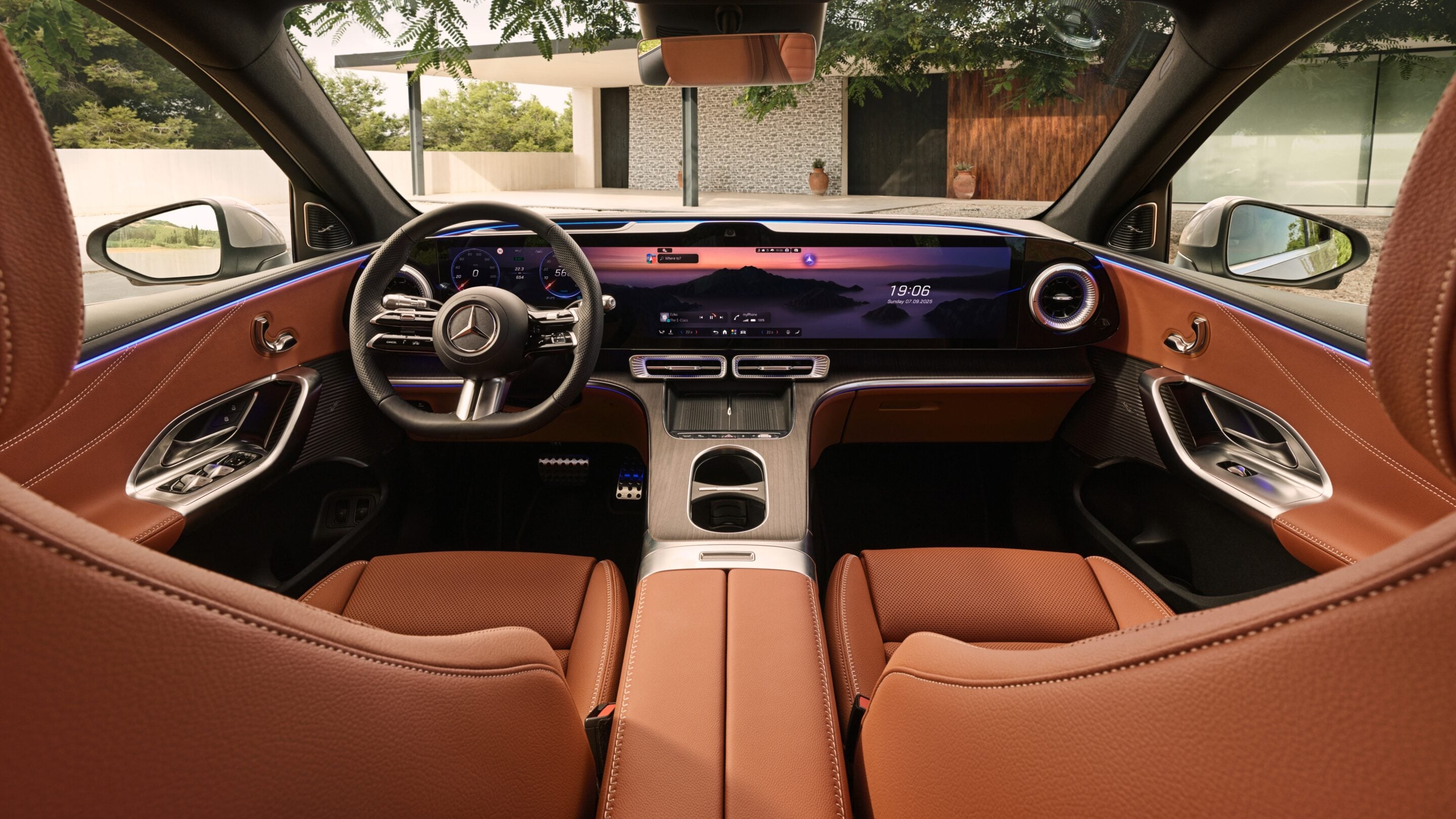
The options list for the GLC 400 4Matic is short, and includes only the Luxury Package with heated and ventilated front sport seats with massage functionality, heated rear seats, an illuminated star pattern in the panoramic roof, Digital Light projection functionality for the headlights, a Burmester high-end 4D surround sound system, the 39.1-inch MBUX Hyperscreen, active lane change and steering assistance and the Pre-Safe Impulse Side side collision protection system.
There’s also the Agility and Comfort Package, which introduces Airmatic air suspension and rear-axle steering, and finally, aluminium-look running boards with rubber studs can also be added for more comfortable entry and exit.
At launch, Mercedes-Benz Australia will also offer a GLC 400 4Matic Limited Edition without the MBUX Superscreen with a static front passenger screen, also featuring black Artico upholstery. It’s $2200 less expensive than the regular GLC 400 4Matic at $110,000 +ORC.
2026 Mercedes-Benz GLC with EQ Technology pricing (excluding on-road costs):
| GLC 400 4Matic Limited Edition | $110,000 |
|---|---|
| GLC 400 4Matic | $112,200 |
Options:
- Luxury Package: $8,200
- Agility and Comfort Package: $5,200
- Aluminium-look running boards with rubber studs: $1,100
The Mercedes-Benz GLC 400 4Matic is now available to order ahead of the first deliveries commencing soon.
Some of the Aussie classics that feature in the Mad Max universe are already rare commodities, but now a Queensland-based company will do all the heavy lifting for you and create a screen-accurate replica of your favourite wasteland chariot.
Called the Mad Max Factory, the firm offers a range of officially licensed Mad Max replica vehicles.
Each of the vehicles offered is described as “film perfect,” with Mad Max Factory describing its builds as “faithful to the original cinematic vision with an emphasis on physicality, visual intensity, and mechanical authenticity rather than digital or automated systems.”
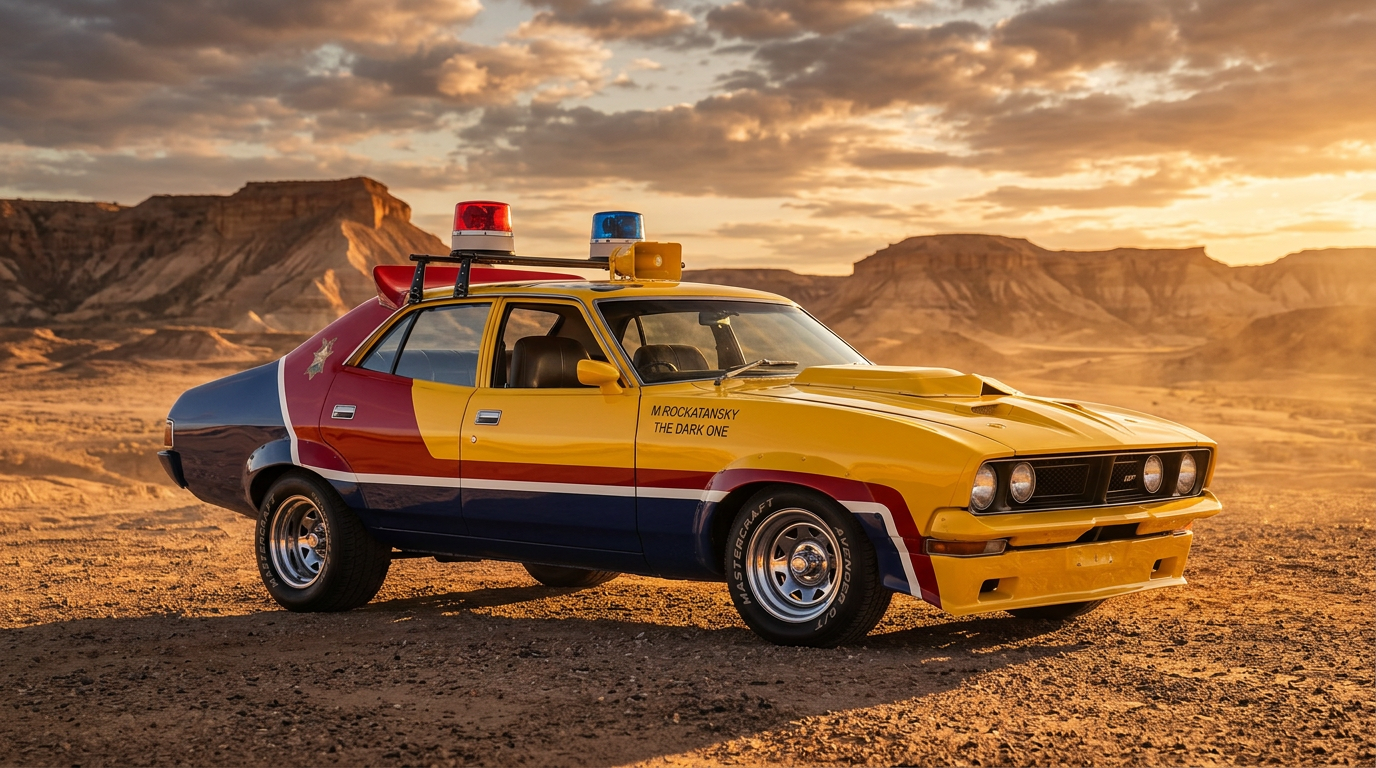
The first run of replica vehicles will be limited to just 25 units, but the range offered covers 20 vehicles as seen in Mad Max, Mad Max 2, Mad Max: Fury Road, and Furiosa: A Mad Max Saga.
“These vehicles were never meant to feel polished or soft,” said Giuseppe Cassin, Director of Film & Strategic Partnerships for Mad Max Factory. “They were built to feel functional, brutal, and real, and that’s exactly what we wanted to preserve.”
Pricing starts from $195,000 for some of the less prominent automotive stars, including the V8 Pursuit Plymouth Valiant bike carrier from Furiosa, or Fury Road’s V12 Elvis based on a 1932 Ford 3-Window Coupe.
Base pricing lands you a vehicle in basic film specification, and Mad Max Factory offers extra-cost options to upgrade paint, engines, and accessories like weapons or motorcycles.
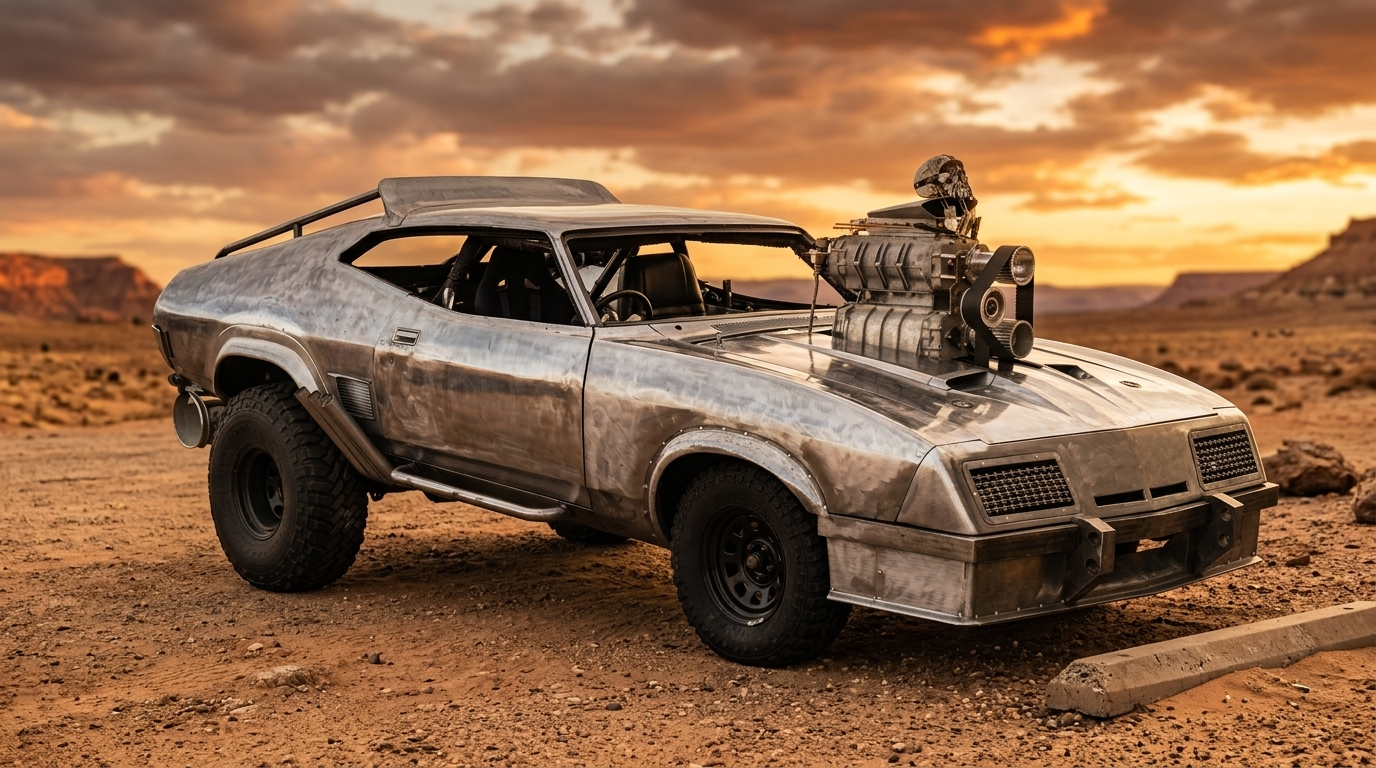
Step up to the more iconic cars from the film, and the price moves up to $235,000 for Jessie’s Panel Van from Mad Max, with options for custom paint, airbrush work, and upgrades to the transmission, wheels, differential, exhaust, brakes, interior and more.
Standard MFP Pursuit vehicles from Mad Max like the Big Bopper XB Falcon and March Hare XA Falcon start from $265,000 and come with the full yellow, blue and red MFP livery, period-correct wheels, and MFP-issued lights.
The headline stars, including the HQ Holden Pursuit Special, driven by The Nightrider in Mad Max, or versions of Max’s iconic XB Falcon Hardtop Pursuit Special as it appeared in Mad Max, Mad Max 2, or Fury Road, start from $335,000 (Fury Road-spec) and stretch to $395,000 for the first-film original look.
Customisations are available across the range with options for carbon-fibre parts in place of fibreglass, upgraded wheels, engines, suspensions, transmissions, exhaust systems, interiors and more.
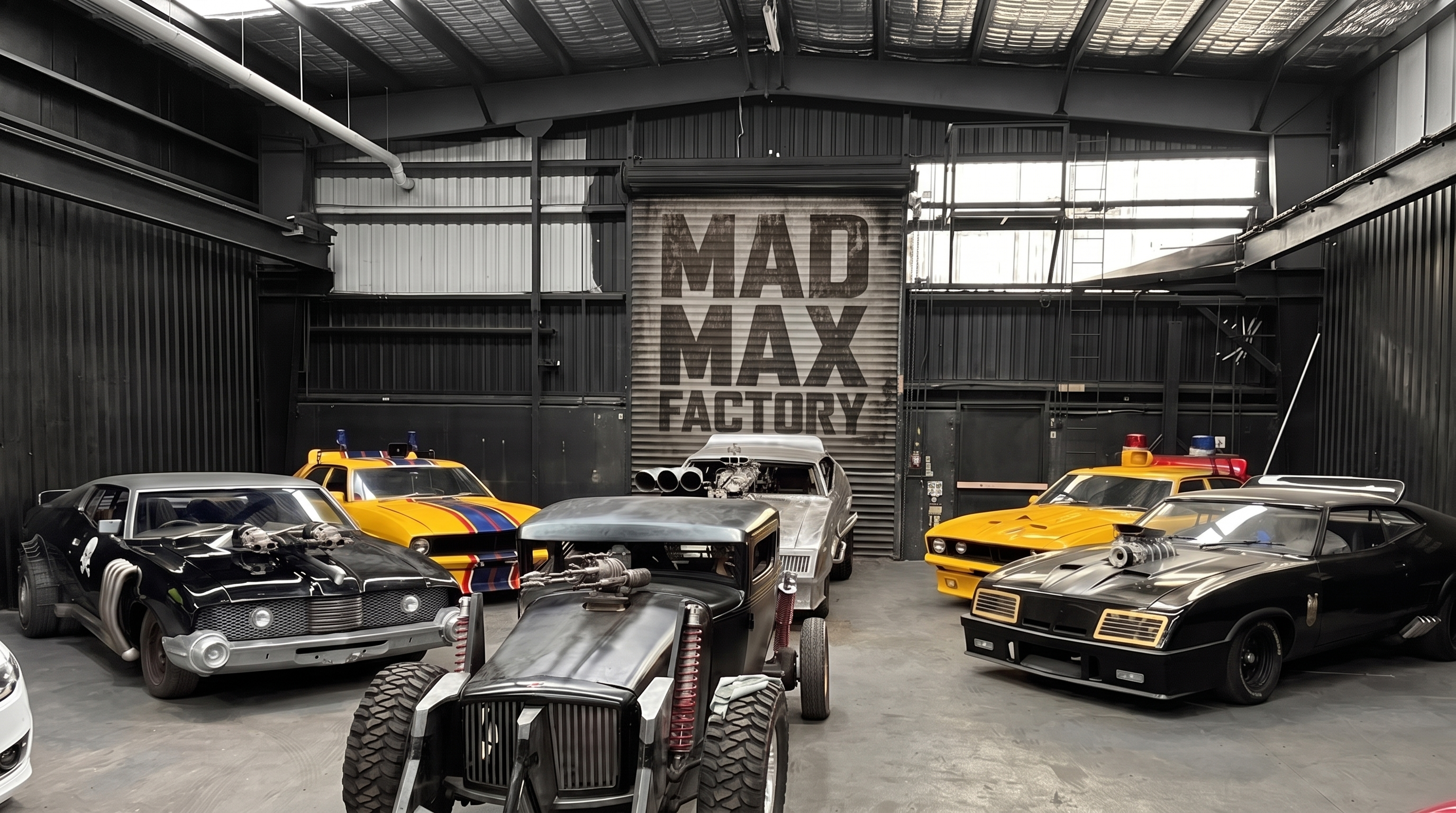
Mad Max Factory quotes turnaround times from start to finish of 9 to 18 months. All vehicles are based on an authentic base vehicle matching the vehicle generation they are based on and come with a rebuilt engine, movie-correct details and damage (where applicable), a certificate of authenticity, and a numbered build plate.
To ensure consistency and accuracy, the vehicle packages have been overseen by director George Miller and producer Doug Mitchell, and are hand-built in Australia with worldwide shipping available for overseas purchasers.
Chinese electric vehicle manufacturer XPENG has unveiled an ambitious expansion plan for Australia, confirming it will launch five new models within the next six months as it accelerates its push into one of its fastest-growing export markets.
The announcement coincides with the Australian debut of the new X9 seven-seat electric people mover, but extends well beyond a single model. According to XPENG ANZ, Australia will receive five new vehicles before the end of 2026, with local launches closely aligned to the company’s Chinese home market.
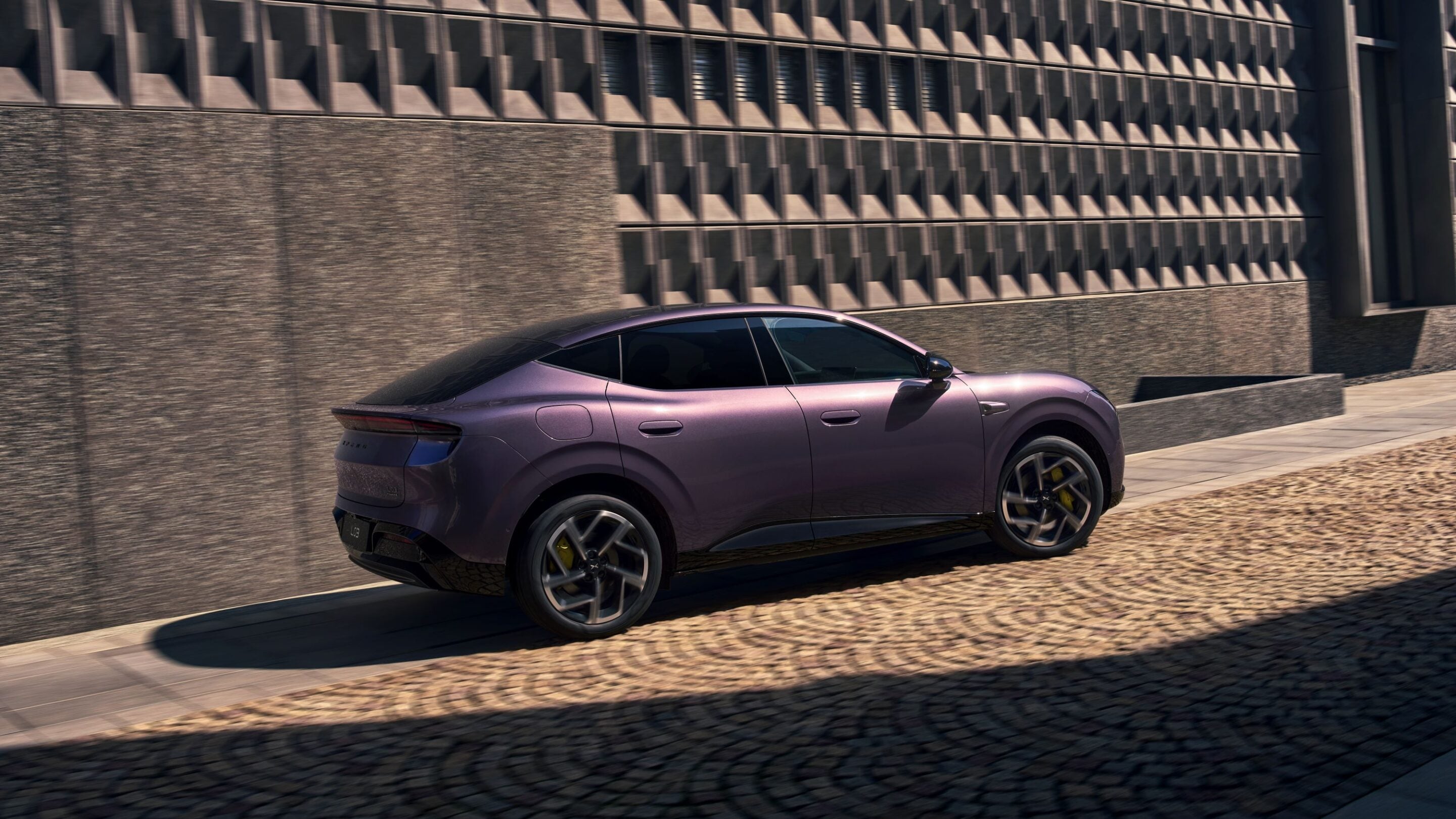
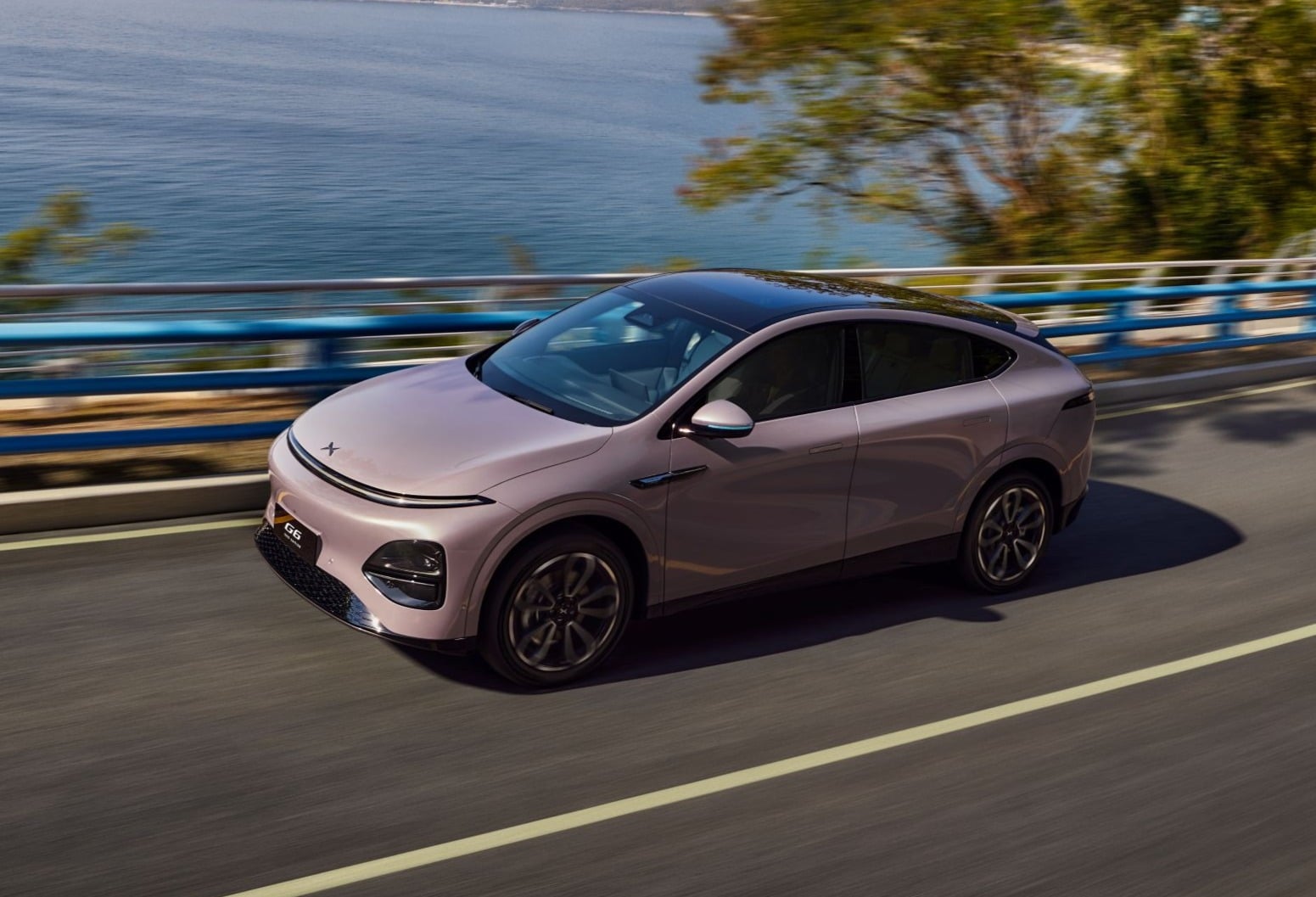
Among the confirmed arrivals is the recently revealed L03 compact SUV (main, and below), which made its global debut in Germany only days ago and is scheduled to reach Australian showrooms in the fourth quarter of this year. The updated G6 electric SUV (bottom) has also been confirmed, while two additional models remain under embargo. Drive reports the rapid rollout forms part of XPENG’s strategy to establish Australia as one of its priority right-hand-drive markets.
The company also confirmed it intends to introduce its next-generation Navigation Guided Pilot (NGP) driver assistance system to Australia in 2027. Powered by XPENG’s in-house Turing AI computing platform, the technology is designed to provide more advanced assisted-driving functions, although it will remain subject to Australian regulations and require driver supervision.
While XPENG has so far sold only battery-electric vehicles locally, it also announced plans to bring its new Kunpeng range-extender technology to Australia. The system combines a battery-electric drivetrain with a small petrol engine that generates electricity to recharge the battery, rather than driving the wheels directly, offering significantly greater driving range for long-distance travel where charging infrastructure may be limited.
Supporting the expanded product range will be a substantial increase in retail and service coverage. XPENG plans to establish three flagship experience centres and expand to as many as 50 sales outlets nationwide within six months, with the goal of placing most Australian buyers within a 40-minute drive of a dealership. The company says several of Australia’s largest automotive dealer groups have already joined its retail network.
To support owners, XPENG has opened a national genuine parts warehouse in Melbourne in partnership with FedEx and is working with the Australian Automotive Service and Repair Authority (AASRA) to make service information available under Australia’s Motor Vehicle Service and Repair Information Sharing Scheme, allowing independent workshops to access eligible repair information once the onboarding process is complete.
The company also used the event to showcase several technologies not yet confirmed for Australian sale, including its IRON humanoid robot and modular “Land Aircraft Carrier” flying car concept. While neither product has been approved for the local market, their appearance highlighted XPENG’s broader ambitions beyond conventional passenger vehicles.
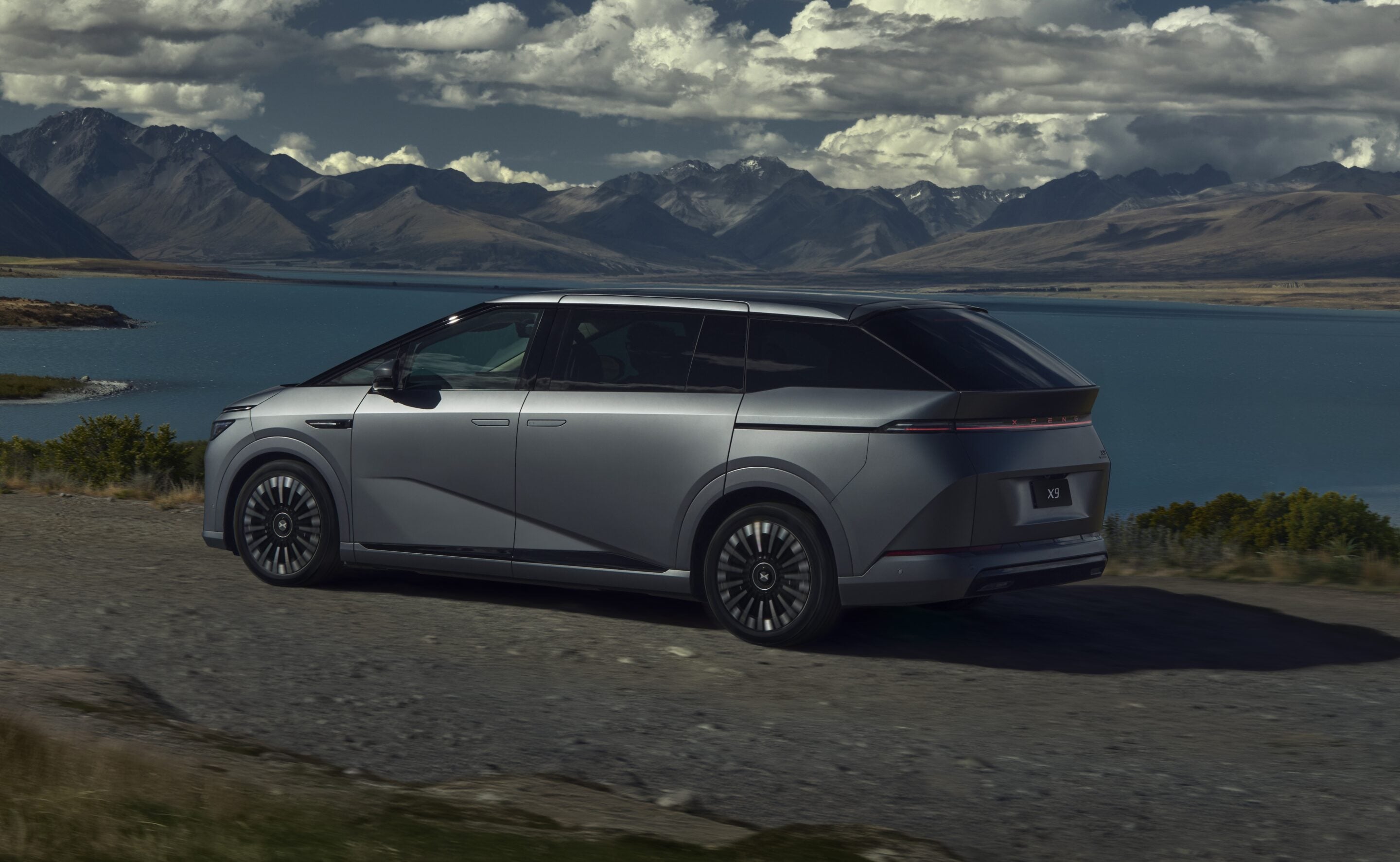
XPENG has announced Australian pricing and specifications for its flagship X9 electric people mover, with the seven-seat battery-electric model arriving in local showrooms priced from $89,900 before on-road costs.
Available to order now, the X9 becomes XPENG’s first three-row vehicle in Australia and will be offered in two variants. The front-wheel-drive Standard Range starts at $89,900 and delivers a claimed WLTP driving range of up to 535km, while the all-wheel-drive Performance flagship is priced from $109,900 and extends that figure to 580km.
Both versions are underpinned by the company’s 800-volt electrical architecture, allowing significantly faster charging than many rivals. XPENG claims the Performance model can charge from 10 to 80 per cent in as little as 12 minutes under ideal test conditions when connected to a compatible ultra-rapid DC charger capable of delivering up to 542kW.
The Standard Range is powered by a 94.8kWh lithium iron phosphate battery, while the Performance model uses a larger 110kWh nickel manganese cobalt battery. Peak outputs reach 370kW and 640Nm in the dual-motor flagship, which is claimed to accelerate from 0-100km/h in 5.9 seconds.
Despite its large dimensions, XPENG says the X9 has been engineered to be easier to manoeuvre than a conventional people mover, with standard rear-wheel steering providing a turning circle of just 5.4 metres. Dual-chamber air suspension is also fitted across the range to improve ride comfort and handling.
Inside, the X9 features a flat-floor cabin with seating for seven and up to 721 litres of luggage space with all seats in place. Folding the second and third rows expands cargo capacity to a claimed 2554 litres.
The second-row seats offer electric adjustment, heating, ventilation and massage functions, while equipment also includes a 17.3-inch infotainment touchscreen, 21.4-inch rear entertainment display, 21-inch head-up display, wireless Apple CarPlay and Android Auto, a 27-speaker premium audio system, dual wireless phone chargers and a refrigerated storage compartment.
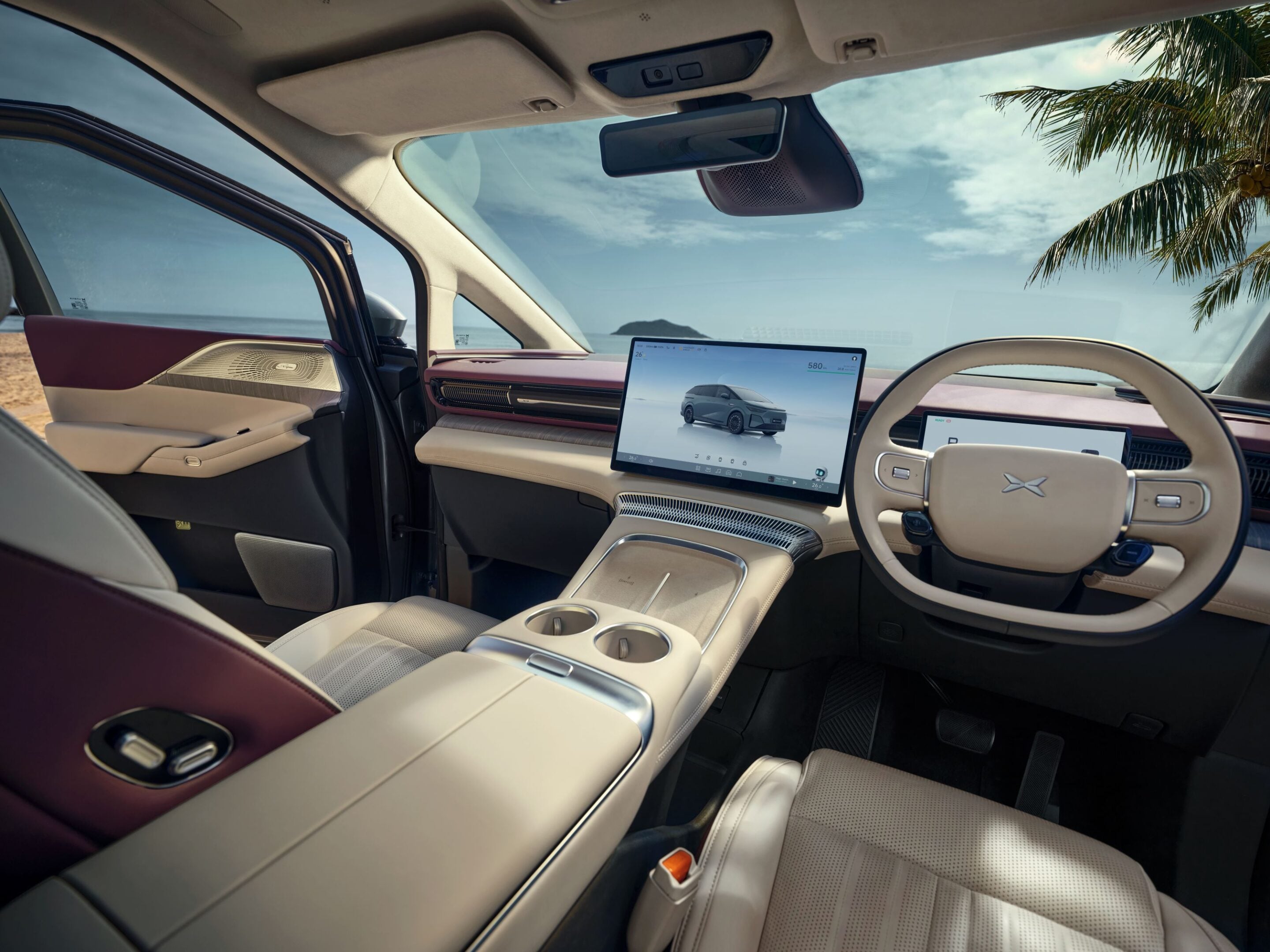
The X9 is also the first XPENG model in Australia to feature the company’s in-house Turing AI processor, which underpins the vehicle’s infotainment and driver assistance systems. A comprehensive suite of safety technologies includes adaptive cruise control, lane centring, autonomous emergency braking, blind-spot monitoring, a 360-degree camera and automated parking functions.
XPENG backs the X9 with a seven-year, unlimited-kilometre warranty for private buyers, while the high-voltage battery, drive motor and related electrical components are covered for eight years or 160,000 kilometres. Customer deliveries are scheduled to begin shortly through XPENG’s expanding Australian dealer network.
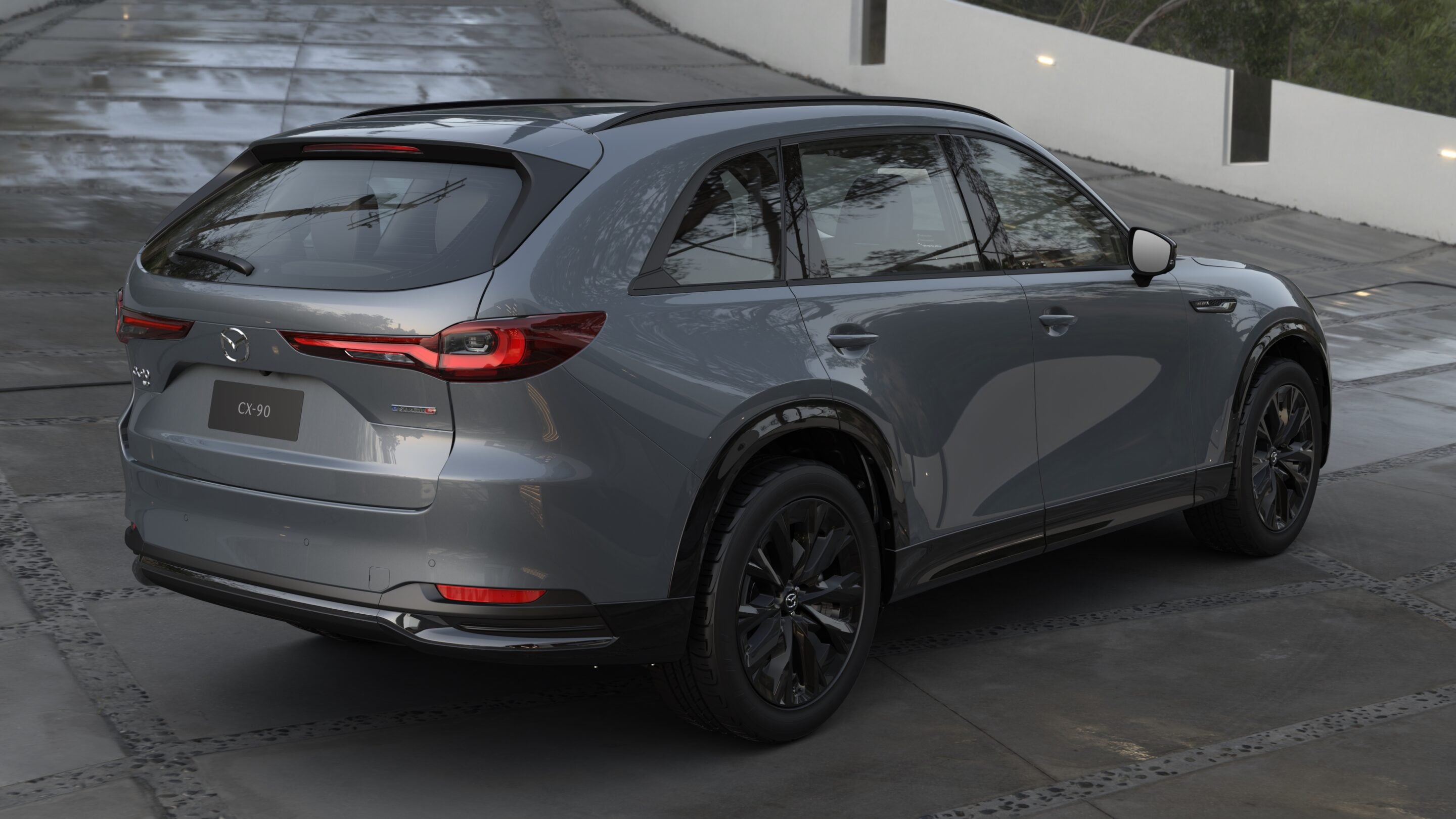
Mazda Australia has revised pricing and specifications for its Large Architecture SUV range, reducing the premium for plug-in hybrid models while adding new standard equipment across the CX-60, CX-70, CX-80 and CX-90 line-up.
The changes, which apply to 2026 model year vehicles, simplify the pricing structure by aligning the cost of the brand’s 3.3-litre turbocharged petrol and diesel six-cylinder powertrains across equivalent grades. Mazda says the move gives buyers greater flexibility to choose their preferred engine without a price penalty.
The biggest pricing adjustment applies to the CX-60 and CX-80 plug-in hybrids, with the P50e variants now priced just $5000 above their equivalent G40e petrol and D50e diesel models, making Mazda’s electrified options more accessible to buyers considering the large SUV range.
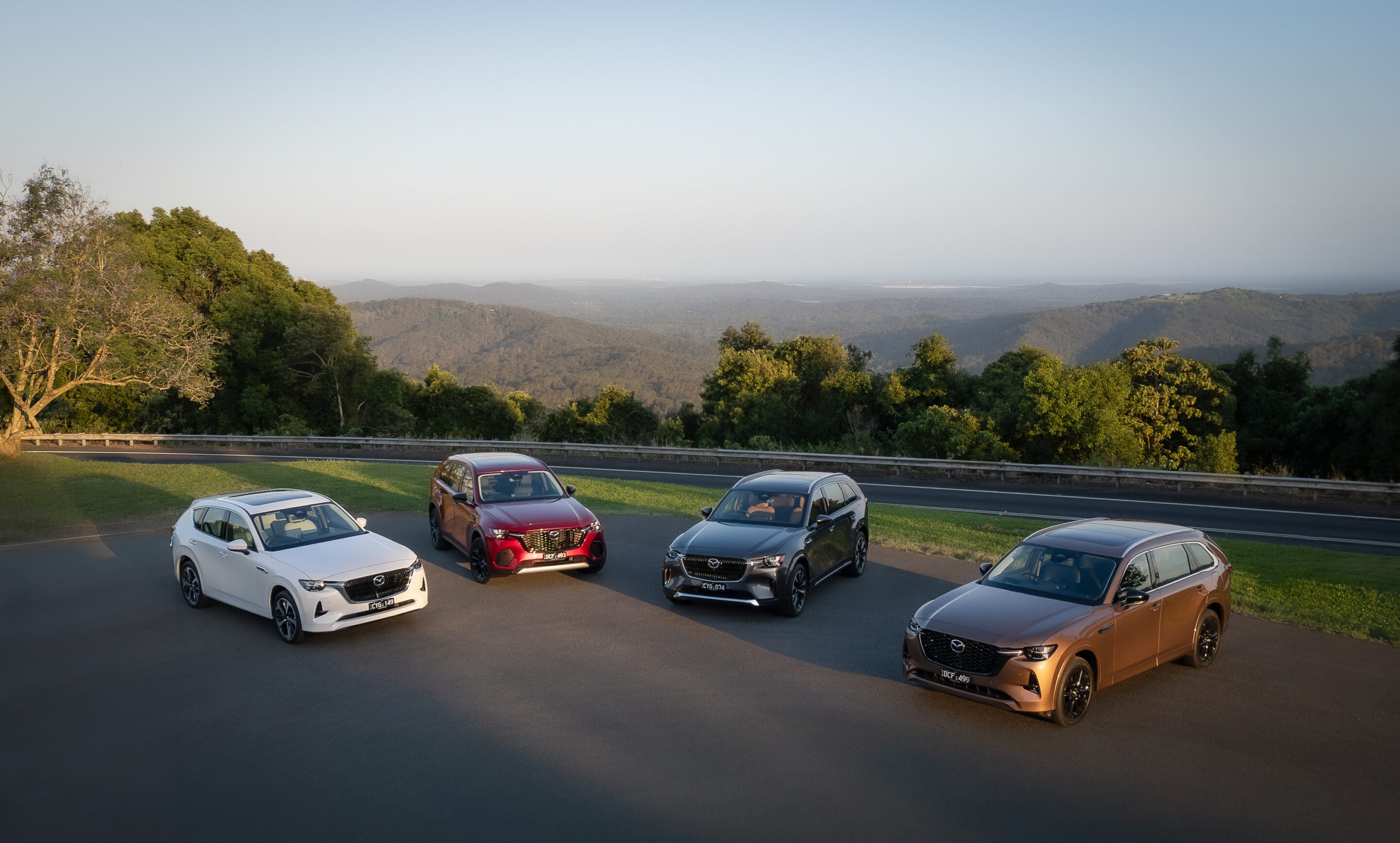
Equipment levels have also been enhanced. The CX-90 GT now comes standard with the Sports Appearance Package, replacing exterior chrome trim with gloss black finishes across the grille surround, bumper detailing, mirror caps, window mouldings, roof rails and exterior badging. Black 21-inch alloy wheels also become standard on the grade.
Mazda has expanded its active safety technology for the CX-60 and CX-90, adding Front Cross Traffic Brake and Cruising Traffic Support with Driver Emergency Assist as standard. Both models also gain Mazda Connected Services, bringing them into line with the CX-70 and CX-80.
The CX-60 also receives a minor cosmetic update, with Polymetal Grey Metallic replacing Sonic Silver Metallic in the colour palette. Exterior finishes for the CX-70 and CX-80 remain unchanged.
The CX-80 range has been broadened with the introduction of a new Pure grade powered by Mazda’s 3.3-litre e-Skyactiv D inline six-cylinder turbo-diesel. The engine incorporates the company’s 48-volt M Hybrid Boost system and offers buyers a more affordable entry point into the three-row SUV range.
Mazda Australia Managing Director Vinesh Bhindi said the updates were designed to strengthen the appeal of the company’s flagship SUVs by increasing value and making the range more attainable for Australian customers.
Pricing adjustments
| CX-60 Model Grade | Powertrain | MLP (excluding LCT) |
|---|---|---|
| Pure | G25 RWD | $45,640 |
| Pure | G40e/D50e AWD | $51,640 |
| Pure | P50e AWD | $56,640 |
| Evolve | G25 RWD | $50,640 |
| Evolve | G40e/D50e AWD | $56,640 |
| Evolve | P50e AWD | $61,640 |
| Touring | G25 RWD | $53,560 |
| Touring | G40e/D50e AWD | $59,640 |
| Touring | P50e AWD | $64,640 |
| GT Vision | G40e/D50e AWD | $65,640 |
| GT Vision | P50e AWD | $70,640 |
| Azami | G40e/D50e AWD | $69,840 |
| Azami | P50e AWD | $74,840 |
| Azami SP | G40e/D50e AWD | $71,840 |
| Azami SP | P50e AWD | $76,840 |
| Azami Takumi | G40e/D50e AWD | $71,840 |
| Azami Takumi | P50e AWD | $76,840 |
| CX-70 Model Grade | Powertrain | MLP (excluding LCT) |
|---|---|---|
| GT | G50e/D50e AWD | $73,020 |
| Azami | G50e/D50e AWD | $80,020 |
| Azami SP | G50e/D50e AWD | $83,520 |
| CX-80 Model Grade | Powertrain | MLP (excluding LCT) |
|---|---|---|
| Pure | G40e/D50e AWD | $56,100 |
| Touring | G40e/D50e AWD | $63,100 |
| Touring | P50e AWD | $68,100 |
| GT | G40e/D50e AWD | $70,100 |
| GT | P50e AWD | $75,100 |
| Azami | G40e/D50e AWD | $75,300 |
| Azami | P50e AWD | $80,300 |
| Azami SP | G40e/D50e AWD | $80,300 |
| Azami SP | P50e AWD | $85,300 |
| CX-90 Model Grade | Powertrain | MLP (excluding LCT) |
|---|---|---|
| Touring | G50e/D50e AWD | $66,100 |
| GT | G50e/D50e AWD | $75,100 |
| Azami | G50e/D50e AWD | $82,100 |
| Azami SP | G50e/D50e AWD | $87,100 |
| Azami Takumi | G50e/D50e AWD | $87,100 |
New pictures have provided a better look at Smart’s famous two-seat city car, which WhichCar by Wheels reported on last month. A production version of the Concept #2 is expected to become the smallest and most affordable model in the company’s growing electric vehicle line-up.
The upcoming Smart #2 will remain an electric-only vehicle, continuing the brand’s strategy of selling battery-powered models globally and marking a modern successor to the original Smart Fortwo, which became an icon for its tiny footprint and distinctive design. If introduced in Australia it would likely become the cheapest EV on sale here.
While Smart has yet to confirm final specifications, the production car is expected to closely resemble last year’s Concept #2. The design retains many of the hallmarks that made the original Fortwo instantly recognisable, including pronounced wheel arches, an upright stance and a strict two-seat layout.
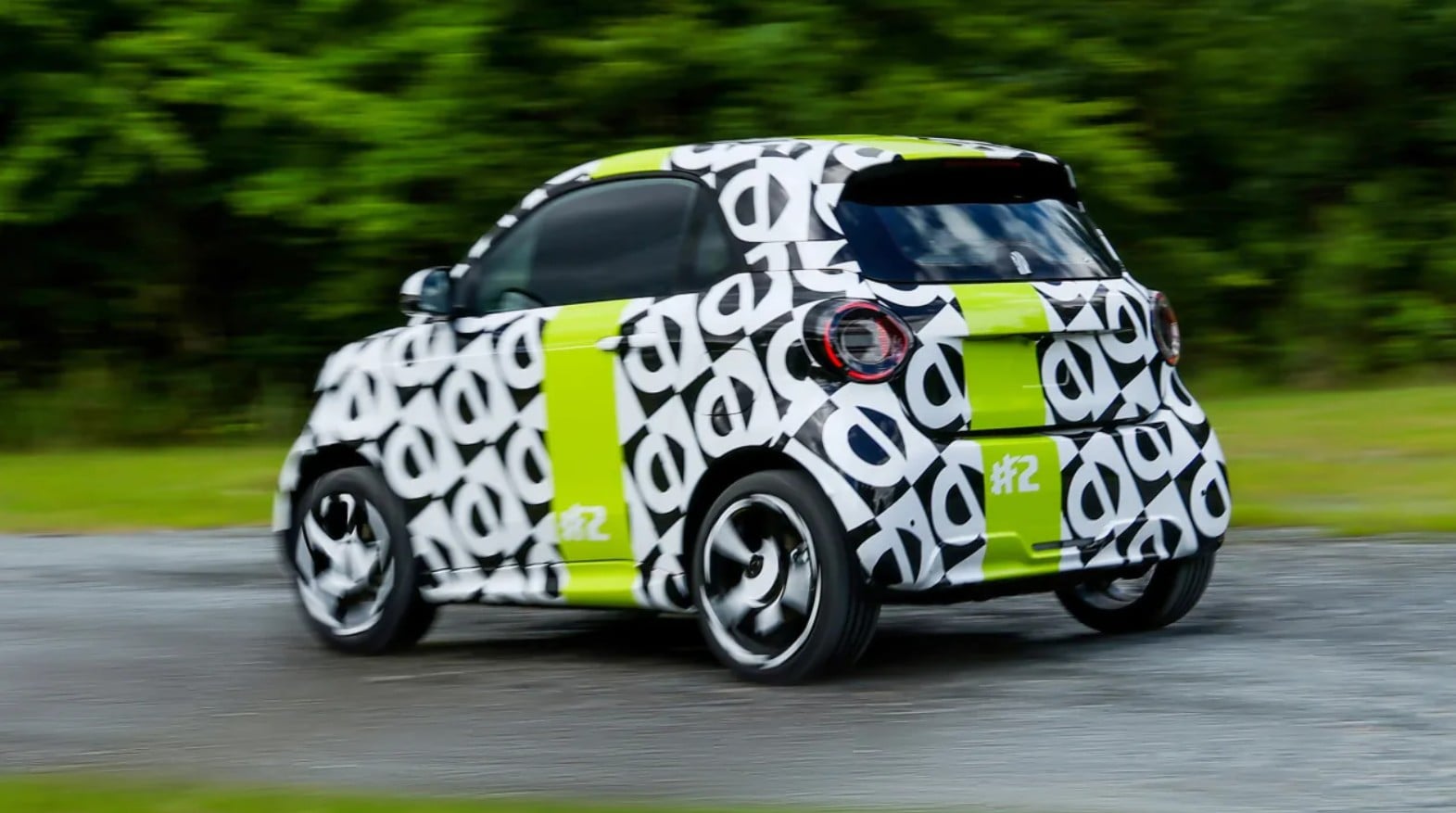
The company is reportedly targeting an overall length of no more than 2.7 metres, allowing the newcomer to remain one of the smallest production cars on sale while taking advantage of an electric powertrain that frees up cabin space by replacing the compact petrol engine once mounted beneath the rear of the vehicle with a smaller rear-mounted electric motor.
Although several concept-car flourishes are unlikely to survive the transition to production—including the oversized wheels, illuminated bumper graphics and decorative exterior detailing—the overall styling is expected to remain largely unchanged. As with the Smart #1, #3 and #5, the production model is being designed by Mercedes-Benz.
The #2 will sit below the existing #1 compact SUV, #3 coupe-style SUV and #5 family SUV, becoming the new entry point to the Smart range. It is not expected to share the larger dimensions of the recently revealed Smart #6 sedan, which has so far been earmarked for selected overseas markets.
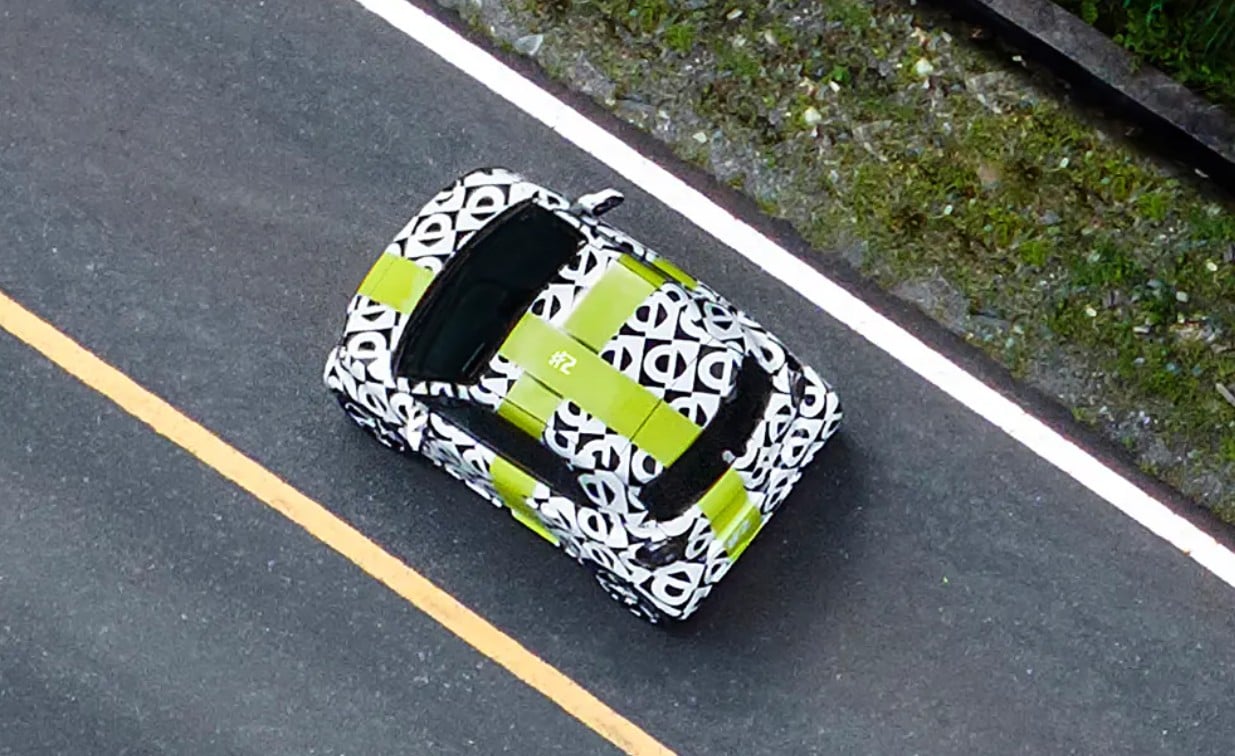
Pricing has yet to be announced, but overseas reports suggest Smart is targeting the equivalent of around A$40,000 to A$50,000. Rather than chasing the cheapest end of the electric vehicle market, the company is expected to position the #2 as a premium city car, balancing compact dimensions, distinctive styling and a competitive driving range.
An unveiling is expected before the end of the year, with the new model tipped to spearhead Smart’s next phase of urban-focused electric mobility.
